
We’ve all been there. It’s 2 AM, and you’re still scrolling through your phone, telling yourself “just five more minutes” while your eyes burn from the blue light. Meanwhile, your body’s natural sleep signals are completely scrambled, and tomorrow you’ll wake up feeling like you got hit by a truck.
Sound familiar? You’re not alone. The average person spends over 7 hours a day staring at screens, and our bodies are paying the price. But here’s the thing – there’s a simple, free solution that’s been right above our heads all along. Plus, a few smart changes to your indoor lighting can transform how you feel throughout the entire day.
Your Body’s Internal GPS is Broken
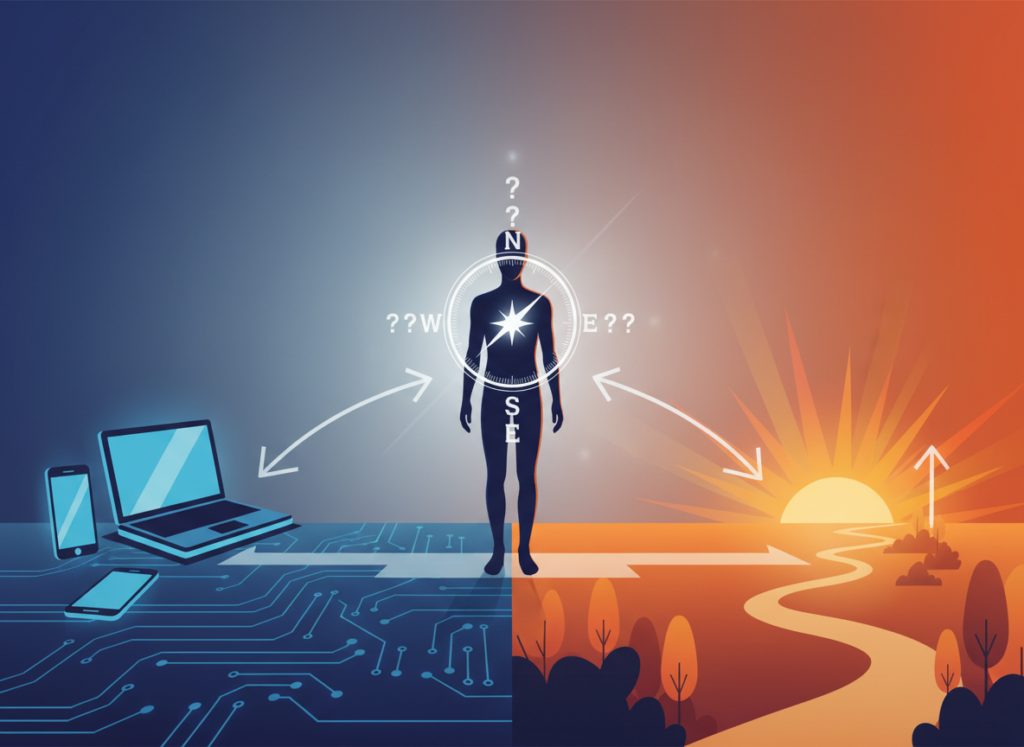
Your circadian rhythm is like your body’s internal GPS system. It tells you when to feel alert, when to wind down, and when to sleep. For thousands of years, this system worked perfectly because it was synced with the sun. Light meant “wake up and be productive.” Darkness meant “time to rest and recover.”
But now? We’re getting bright blue light at 11 PM from our phones and laptops, while spending our mornings in dimly lit indoor spaces. Add in those harsh overhead fluorescents at night, and it’s like giving your GPS the wrong coordinates – no wonder you feel lost and exhausted.
Neuroscientist Andrew Huberman explains that our eyes contain special cells that detect light and send signals directly to our brain’s master clock. When these cells get the wrong information at the wrong times, everything gets thrown off balance.
The Blue Light Trap
Blue light isn’t evil – it’s actually crucial for keeping us alert and focused during the day. The problem is timing and intensity. When you’re getting intense blue light from screens late at night, you’re essentially telling your brain “Hey, it’s still daytime! Stay awake!”
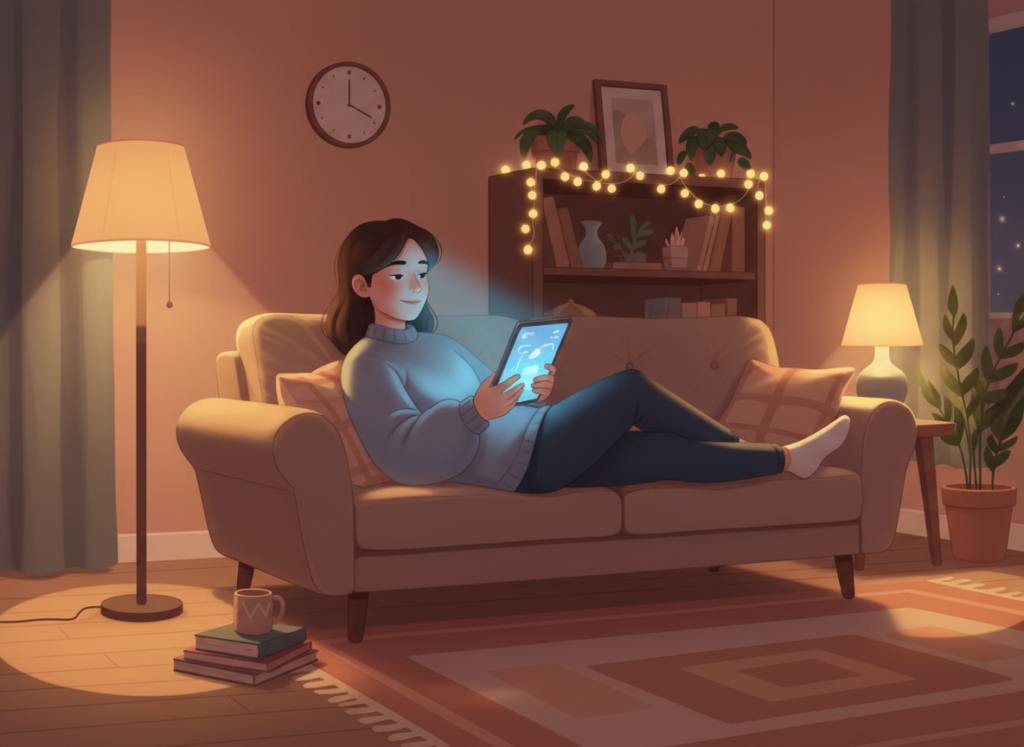
This suppresses melatonin production, the hormone that makes you feel sleepy. Even worse, it shifts your entire sleep-wake cycle later and later. You stay up later, wake up groggier, and need more caffeine to function. It’s a vicious cycle that leaves you feeling like you’re constantly swimming upstream.
Morning Sunlight: Your Natural Reset Button

Here’s where it gets interesting. Getting bright light in your eyes within the first hour of waking – especially natural sunlight – is like hitting the reset button on your internal clock. Even 10-15 minutes of morning sun exposure can dramatically improve your energy levels, mood, and sleep quality.
Huberman’s research shows that morning light exposure increases cortisol (the good kind that wakes you up) and sets a timer for melatonin production later in the evening. It’s like programming your body’s natural energy cycle to work with you instead of against you.
The key is getting outside before 10 AM when the sun is still low on the horizon. No sunglasses, no windows – your eyes need direct (but safe) exposure to natural light. If it’s cloudy, stay out a bit longer. If you live somewhere with limited sunlight, a 10,000 lux light therapy lamp can help, though nothing beats the real thing.
Your Indoor Lighting is Sabotaging Your Sleep
Here’s something most people never consider: your indoor lighting might be the reason you’re getting mysterious headaches or feeling wired when you should be winding down.
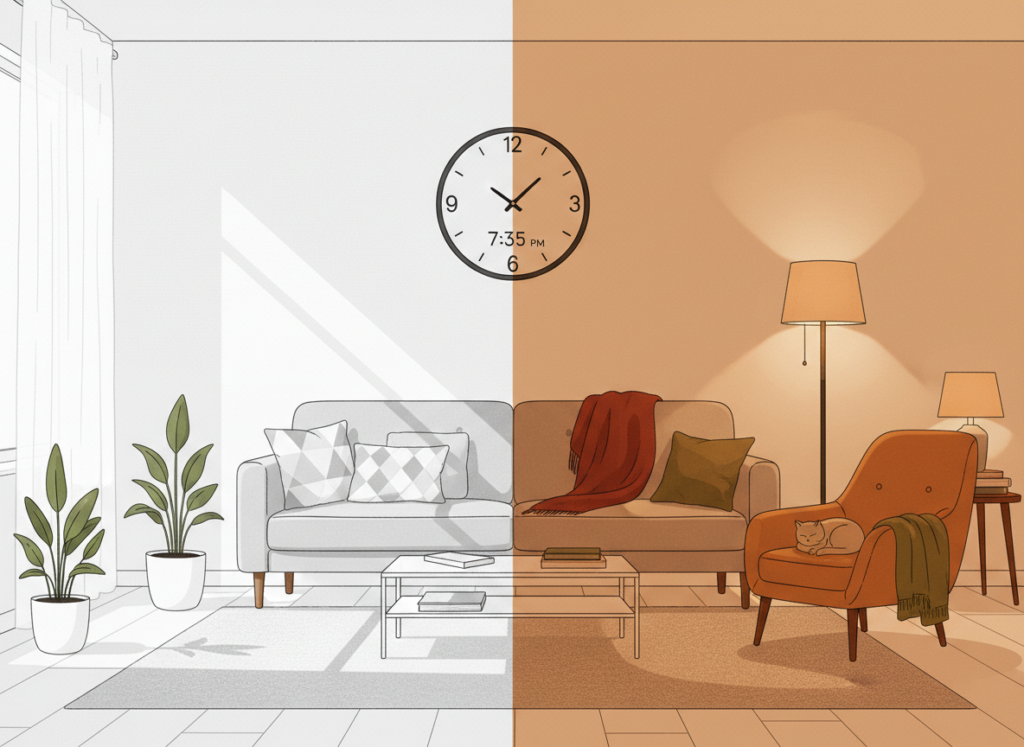
Morning and afternoon: Bright, white lights are your friend. They help maintain alertness and support your natural energy levels. Don’t be afraid of those crisp, cool-toned bulbs during daytime hours.
Evening transition: As the sun starts setting, your indoor lighting should follow suit. Switch to dimmer, warmer lights – think yellow or orange tones. This gradual transition signals to your brain that it’s time to start producing melatonin.
Night mode: Those bright overhead lights at 9 PM? They’re basically screaming “STAY AWAKE” to your nervous system. Even if you don’t consciously notice it, your body is getting mixed signals that can cause tension headaches, restlessness, or that “tired but wired” feeling.
Breaking Free from Screen Slavery
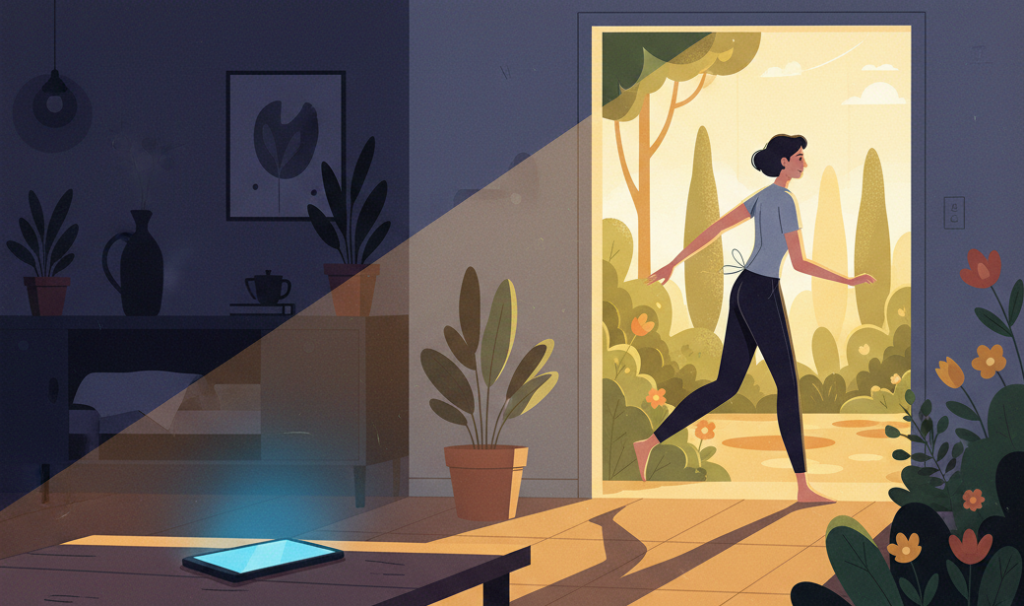
You don’t need to throw your devices in a drawer and go full caveman. Small changes can make a huge difference.
Morning routine upgrade: Before you check your phone, step outside for 10 minutes. Bring your coffee if you want, but get those eyes some natural light first. When you come back inside, use bright white lighting to maintain that alert state.
Daytime workspace: Keep your work area well-lit with bright, cool-toned lights. This supports focus and prevents that afternoon energy crash.
Evening wind-down: Set a “digital sunset” 1-2 hours before bed. Dim the lights, switch to warm-toned bulbs, put devices away, and let your brain know it’s time to start winding down.
Screen hygiene: Use blue light filters after sunset, keep screens at arm’s length, and take regular breaks during the day to look at something far away.
Light layering: Instead of relying on harsh overhead lights at night, use table lamps, floor lamps, or even candles to create a softer, more natural evening atmosphere.
The Compound Effect of Natural Rhythms
When you align both your natural light exposure and indoor lighting with your body’s rhythms, everything else starts falling into place. You’ll sleep better, which means better recovery, clearer thinking, and more stable energy throughout the day. You’ll need less caffeine, feel less stressed, and have more motivation for healthy habits.
Those mysterious evening headaches might disappear when you stop blasting your eyes with bright white light at 10 PM. That restless feeling when you’re trying to fall asleep could vanish when your lighting actually supports your natural wind-down process.
It’s not about perfection – it’s about working with your biology instead of fighting it. Your ancestors didn’t need alarm clocks or energy drinks because they lived in sync with natural light cycles. You can tap into that same system with a few smart adjustments.
Your 7-Day Light Optimization Challenge
Ready to reclaim your natural energy cycle? Try this for one week:
Days 1-2: Get 10 minutes of morning sunlight within an hour of waking. Use bright, white indoor lighting during the day.
Days 3-4: Add evening lighting transitions – switch to dim, warm lights 2 hours before bed.
Days 5-6: Combine both habits and add a digital sunset routine.
Day 7: Notice the difference in your energy levels, sleep quality, and overall mood.
Pay attention to whether those evening headaches disappear or if you feel more naturally tired at bedtime. Your body will give you clear feedback when you start working with it instead of against it.
The goal isn’t to become a perfect light-optimizing robot. It’s to rediscover what it feels like when your body’s natural systems are working for you instead of against you.
Your screen will still be there after your morning sun break, and your evening activities will be even more enjoyable when you’re not fighting your biology every step of the way.