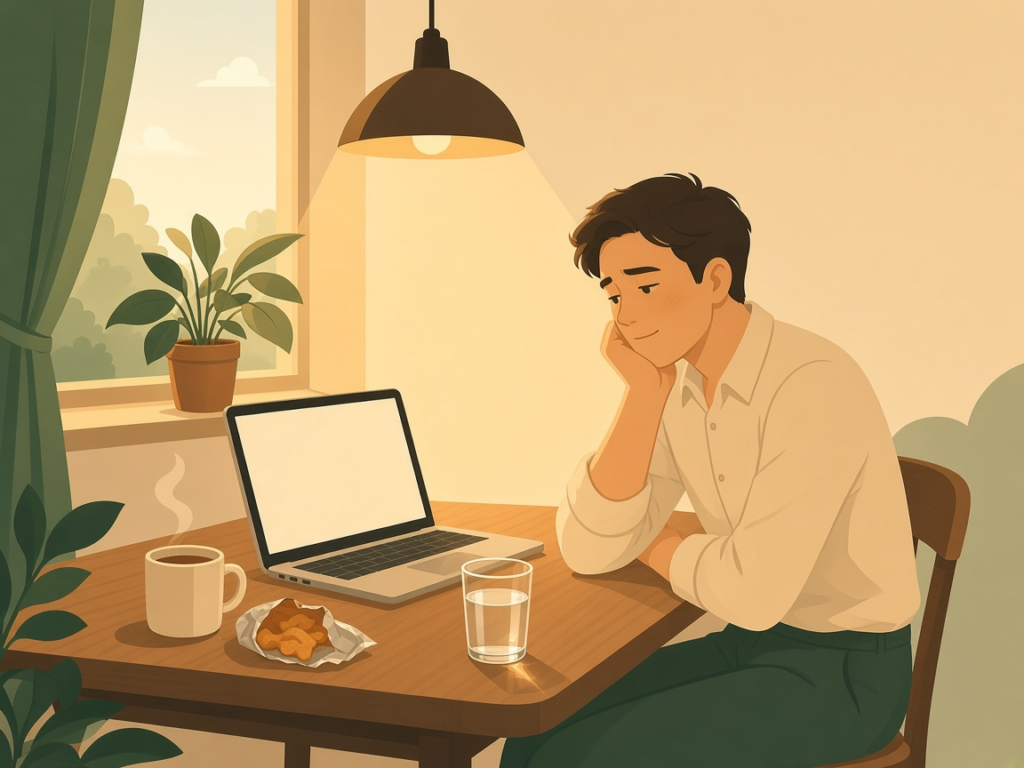
It’s 3 PM. Your eyes feel heavy, your brain feels like a browser with 47 tabs open, and you’re already reaching for coffee number three, or that chocolate bar in the drawer you “forgot” about.
Sound familiar? We’ve all been there.
Now a quick question: when did you last drink a glass of plain water? Not coffee. Not a sip of someone’s soda. Water.
If you had to think about it, here’s the thing: your afternoon slump might not need a fix you buy. It might just need a glass from the tap. Today’s habit is the simplest one we’ve ever covered on this blog, and that’s exactly why I love it.
Tired, or Just Thirsty?
Your body is made up of a lot of water, roughly half to two-thirds of your body weight, according to the Mayo Clinic. You lose some of it all day long, every time you breathe, sweat or go to the bathroom. And your body can’t make enough of its own to replace it, so it has to come from what you drink and eat.
Here’s the part that matters for your energy: Mayo Clinic notes that even mild dehydration can make you feel like you have less energy and make it harder to think clearly. Headaches can be a sign you’re not drinking enough too.
The tricky bit? Feeling a little low on water doesn’t come with a flashing warning light. It feels like being tired, foggy or a bit grumpy. So we treat it with caffeine, sugar or another scroll, when sometimes the answer was a glass of water all along.
To be clear, water isn’t magic. It won’t fix bad sleep or a stressful job. But it’s the cheapest, easiest thing to rule out first. Before you buy energy, check you’re not just thirsty.
How Much Is Enough? (Keep It Simple)
This is where hydration usually gets complicated. Liters per kilo, ounces per pound, apps that beep at you. Let’s skip all that.
The NHS suggests aiming for about 6 to 8 cups or glasses of fluid a day, and says you may need more if it’s hot, if you’re active for a long time, if you’re unwell, or if you’re pregnant or breastfeeding. Mayo Clinic agrees there’s no single magic number: what you need depends on your body, your activity and the weather.
Two pieces of good news:
- It’s not only water that counts: tea, coffee and milk all count towards your daily fluids, according to both the NHS and Mayo Clinic. (Yes, your morning coffee is forgiven.)
- Food helps too: Mayo Clinic says food provides about 20% of the water you need, especially fruits and vegetables like watermelon, strawberries and cabbage
And the simplest check of all needs zero gadgets. The NHS says to drink enough that your pee is a clear, pale yellow. If you’re rarely thirsty and your pee is pale, you’re probably doing fine. Darker than that? Time for a glass. (Not the most glamorous sentence I’ve written on this blog, but it works.)
One sensible note: drinking far too much water is rare but can be harmful, and some health conditions change how much fluid you should have. If your doctor has given you a fluid target, follow theirs, not mine.
The Water First Rule
So how do you actually drink more without tracking anything? You don’t add a new routine. You just put water first, in front of things you already do. That’s the whole rule. Four simple moments:
1. Water Before Coffee
You’ve just gone 7 or 8 hours without drinking anything. Before the kettle or the coffee machine, drink one glass of water. It fits right into a calm start like the one in our 5-minute morning ritual. Keep the coffee, just make it come second.
2. Water Before Every Meal
Put a glass of water on the table every time you eat. Mayo Clinic suggests a drink of water with each meal and between meals, and three meals a day is three glasses you didn’t have to think about.
3. Water Before the Snack
That 3 PM craving? Drink a glass first and wait ten minutes. If you’re still hungry, enjoy your snack, guilt-free. Sometimes you will be. Sometimes you’ll realize you just needed a break and a drink.
4. Water Before the Next Drink
About to grab another coffee or a soda? Have a glass of water first. You’re not banning anything, just giving water the first turn.
Ditch the Gadgets
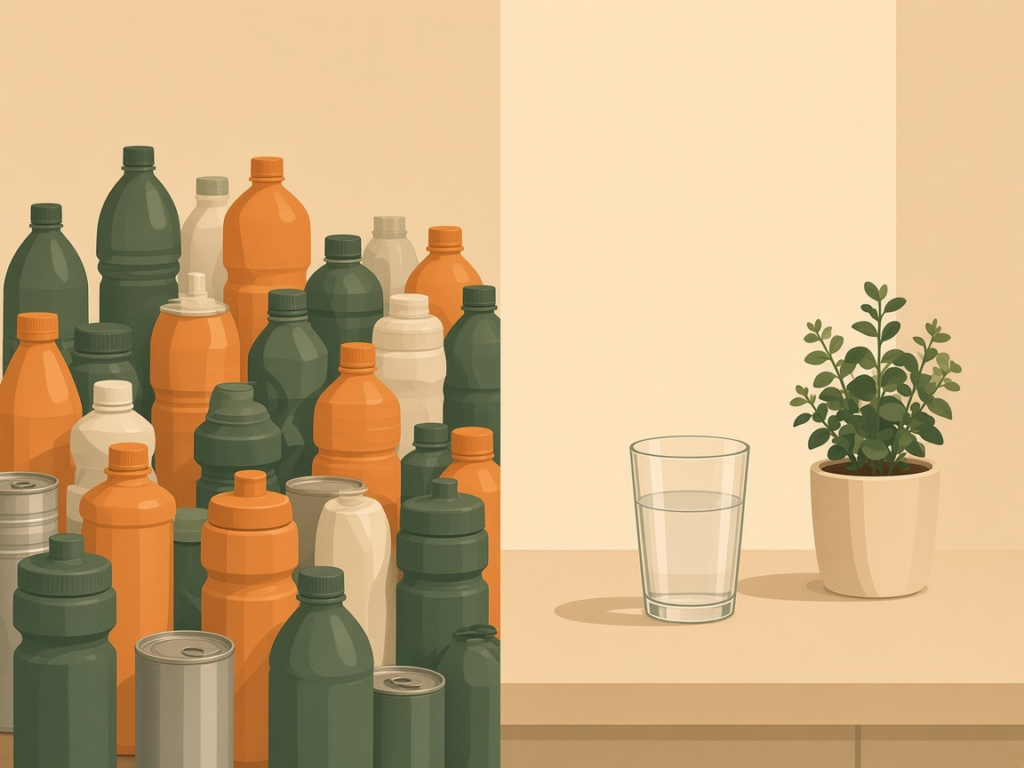
Walk into any store and you’ll find a whole industry built around drinking water. Smart bottles that glow. Giant jugs with motivational quotes. Apps, flavor pods, electrolyte powders for people who haven’t left their desk all day. Here’s the thing: you already own everything you need. A glass and a tap.
This is minimalism at its most practical. No charging, no syncing, no notifications, no new thing to clean or lose. One less decision, one less purchase, one less screen telling you what to do.
If you like carrying a reusable bottle when you’re out, great. Use the one already in your cupboard. You don’t need a new one to start. (Even the fanciest bottle won’t drink the water for you.)
There’s a quiet money bonus too. The NHS calls water a healthy and cheap choice, and tap water costs a tiny fraction of anything sold in a bottle. Say you swap one $2.50 bottled drink every workday for water from home. That’s about $650 a year back in your pocket, with less sugar and less plastic. Small habit, compounding returns.
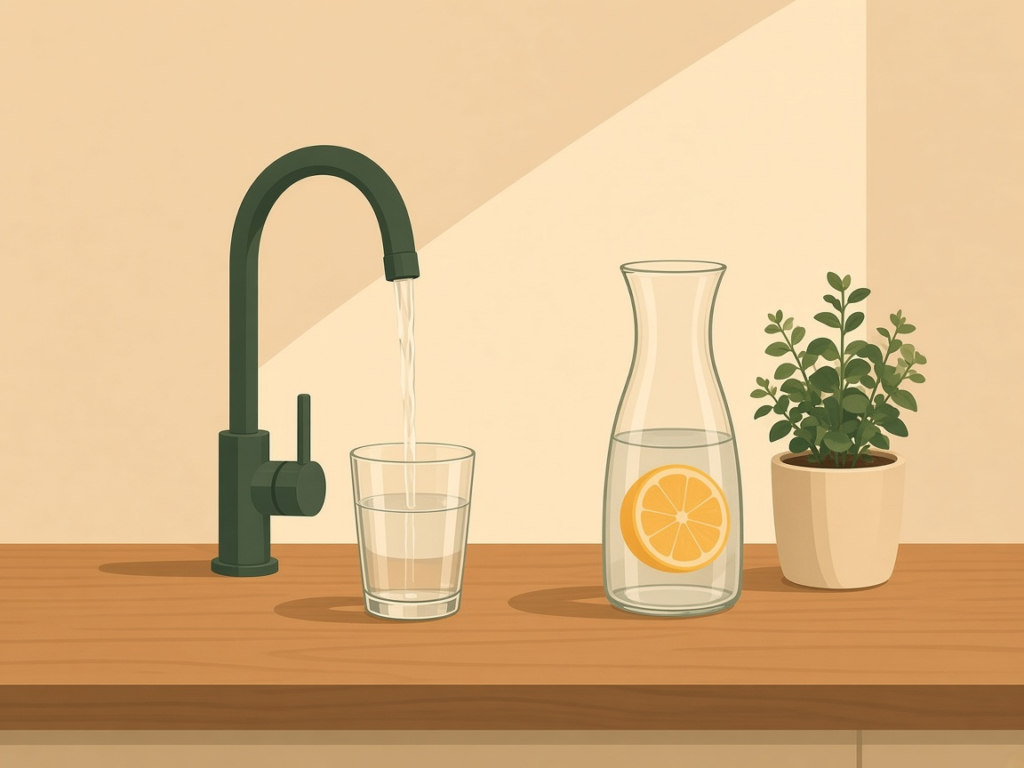
Not a fan of plain water? Keep it simple: try it cold, try sparkling, or add a slice of lemon, lime or cucumber. The NHS suggests exactly those tricks.
Make It Automatic
Willpower is unreliable. Environment is not. The trick is to make water the easiest choice in the room, so you don’t have to remember it at all.
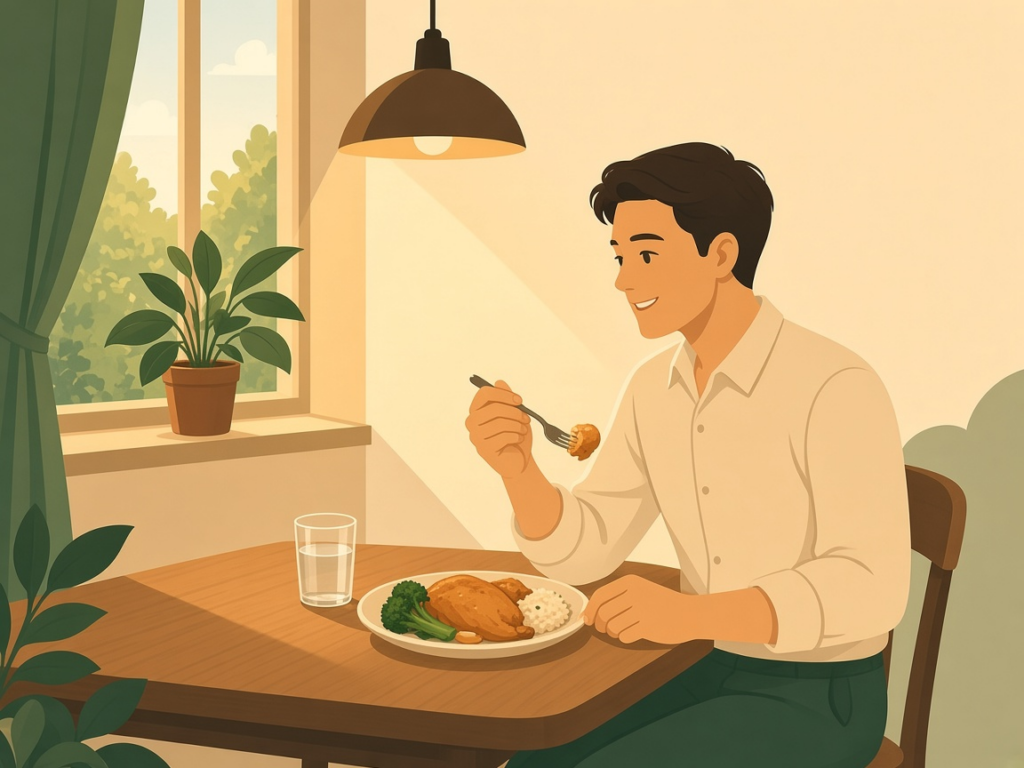
- Keep a glass by the sink: leave a clean glass out next to the tap, ready to go. If you see it, you’ll use it
- Put a glass on your desk: fill it when you sit down to work, and refill it every time you get up
- Fill a jug at night: a jug of water in the fridge means cold water waiting for you in the morning
- Stack it on what you already do: water before coffee, before meals, after the bathroom, after a walk
- Drink by the glass, not by the sip: one full glass at each anchor is easier to remember than tiny sips all day
As we explored in our nutrition post, your energy comes from many small choices adding up. Water is the easiest one to get right, and it makes all the others feel a little easier.
Your 7-Day Water First Challenge
Ready, Wellthers? No apps, no tracking sheets. Just a glass.
Day 1: Leave a clean glass next to your kitchen tap tonight.
Day 2: Drink one full glass of water before your first coffee or tea.
Day 3: Add a glass of water to every meal.
Day 4: Try the 3 PM test: when the slump or craving hits, drink a glass first and wait ten minutes.
Day 5: Put a glass of water on your desk or wherever you spend most of your day, and refill it each time you stand up.
Day 6: Swap one bought drink for water from home, and note what you saved.
Day 7: Check in with yourself. How was your energy this week? Your focus? Your afternoons? Keep the anchors that felt easy.
Simple Is the Point
We spend so much money and attention looking for complicated ways to feel better. New supplements, new gadgets, new plans. Sometimes the best move is the boring one that’s been in your kitchen all along.
It’s not about perfection, it’s about progress. You’ll forget some days. That’s fine. The glass will still be there tomorrow. Your future self, the one with steadier afternoons, will thank you.
So before you reach for the next coffee, ask yourself: am I tired, or just thirsty?