
It’s 3 PM. You ate a “healthy” desk lunch, but now you’re bloated, foggy, and weirdly cranky. You reach for coffee number three and a cookie, and somehow you feel worse. Your gut is trying to tell you something, and most of us have never learned the language.
Sound familiar? Here’s the thing – the solution isn’t a $50 bottle of probiotic capsules. It’s sitting in the cheapest aisles of your grocery store: beans, oats, cabbage, and the frozen veg section. Let’s talk about the tiny team living in your belly, why it affects far more than digestion, and how to feed it well without blowing your budget.
Meet Your Inner Ecosystem
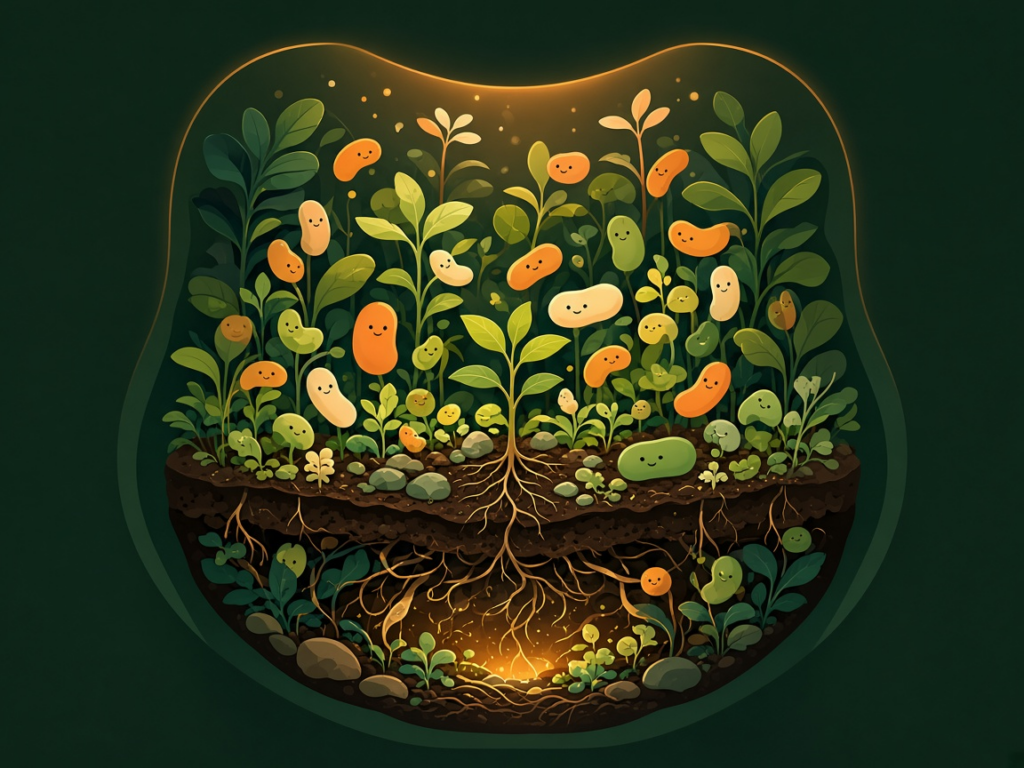
Your gut is home to trillions of microbes – mostly bacteria, plus fungi and viruses – collectively called your microbiome. Researchers estimate your body hosts about as many bacterial cells as human cells, and most of them live in your large intestine. Think of it less like a factory and more like a garden.
Those microbes help break down the fiber your own body can’t digest. When they ferment it, they produce short-chain fatty acids, which help nourish the cells lining your colon and play a role in immune health and inflammation, as the Harvard T.H. Chan School of Public Health explains.
The catch? Like any garden, it grows what you feed it. Ultra-processed food, very little fiber, and the same five meals on repeat give you a pretty sparse garden. Variety and fiber help it thrive.
The Gut-Brain Hotline
Ever had butterflies before a big meeting, or a stomach that knots up when money’s tight? That’s not your imagination. Harvard Health describes a two-way line between your brain and your digestive system: a stressed brain can upset your gut, and a troubled gut can send signals back to your brain.
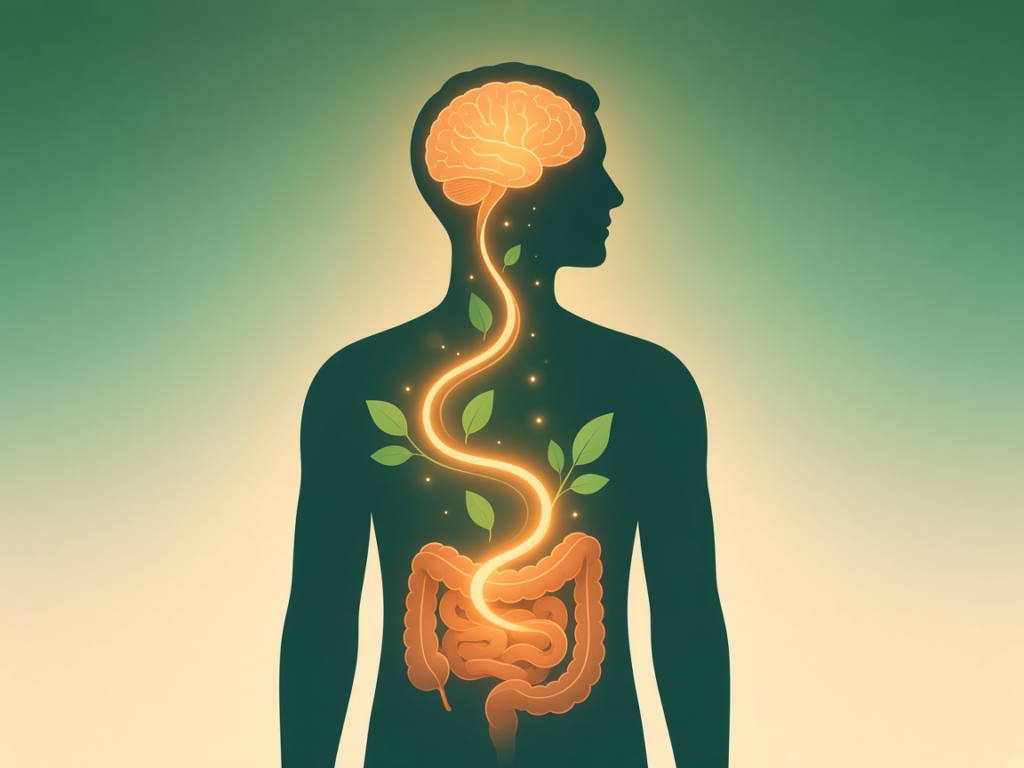
Your gut is also busy with chemistry. Most of your body’s serotonin is actually made in the gut, and research in mice shows that gut bacteria help regulate how much gets produced. That gut serotonin mostly works locally (on digestion, for example) rather than in your brain, so a probiotic isn’t a happiness pill. But it shows how closely these systems talk.
If you’ve read our post on breaking the stress spending cycle, you’ll recognize the pattern: stress shows up as “digestive problems,” which leads to comfort snacking, which leaves you feeling worse. Calming your gut and calming your mind are part of the same project.
The 30-Plant Portfolio
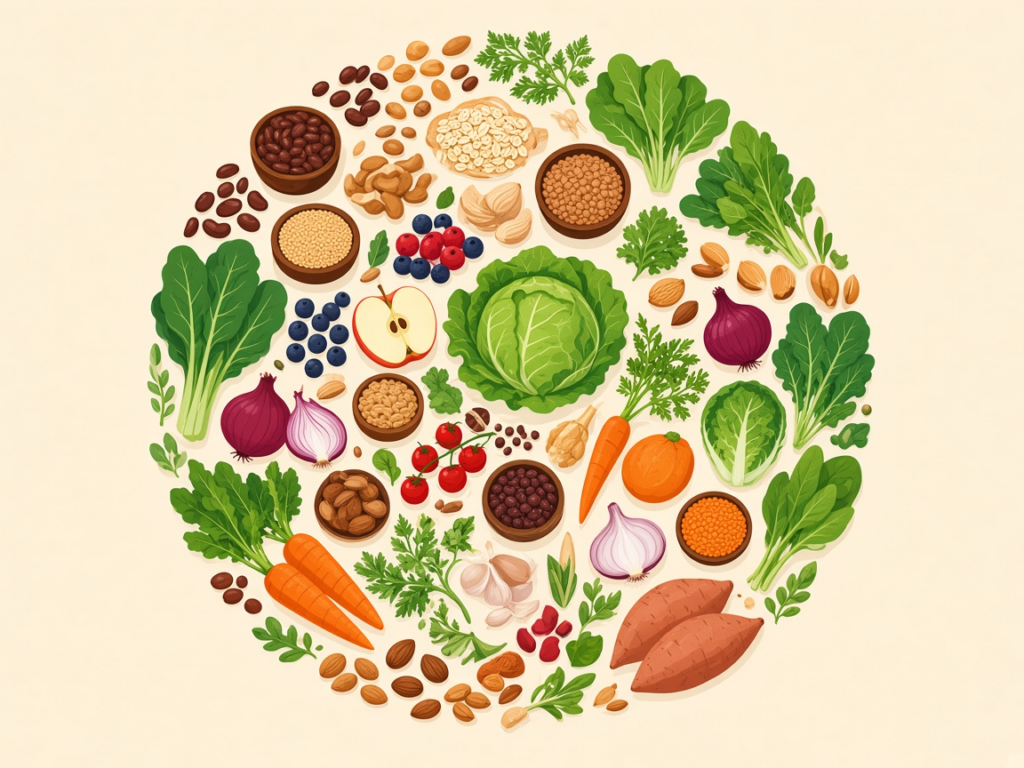
Here’s my favorite finding. The American Gut Project, a huge citizen-science study with thousands of participants, found that people who ate more than 30 different types of plants per week had more diverse gut microbes than people who ate 10 or fewer.
Investors call it diversification. Your gut just calls it lunch. You don’t need 30 servings – just 30 different plants across the week. And “plants” counts more than you’d think:
- Legumes: black beans, chickpeas, lentils, peas – each one counts separately
- Whole grains: oats, brown rice, barley, whole wheat
- Vegetables and fruit: fresh or frozen, all colors
- Nuts and seeds: a sprinkle of walnuts, chia, or sunflower seeds
- Herbs and spices: garlic, ginger, parsley, cumin, cinnamon
This also closes a big gap. An estimated 95% of American adults and children don’t get the recommended amount of fiber. In our nutrition and vitality post, we talked about fiber for steady energy. Here’s the bonus: it’s also the main food for your microbes.
The easiest hack: one meal that already has many plants in it. A bean chili with onion, garlic, tomatoes, peppers, frozen corn, and cumin is seven plants in a single pot.
Fermented Foods: Tiny Helpers in a Jar
In a 2021 Stanford study, healthy adults who ate more fermented foods for 10 weeks – yogurt, kefir, kimchi, sauerkraut, kombucha – saw their gut microbiome diversity go up and several markers of inflammation go down.
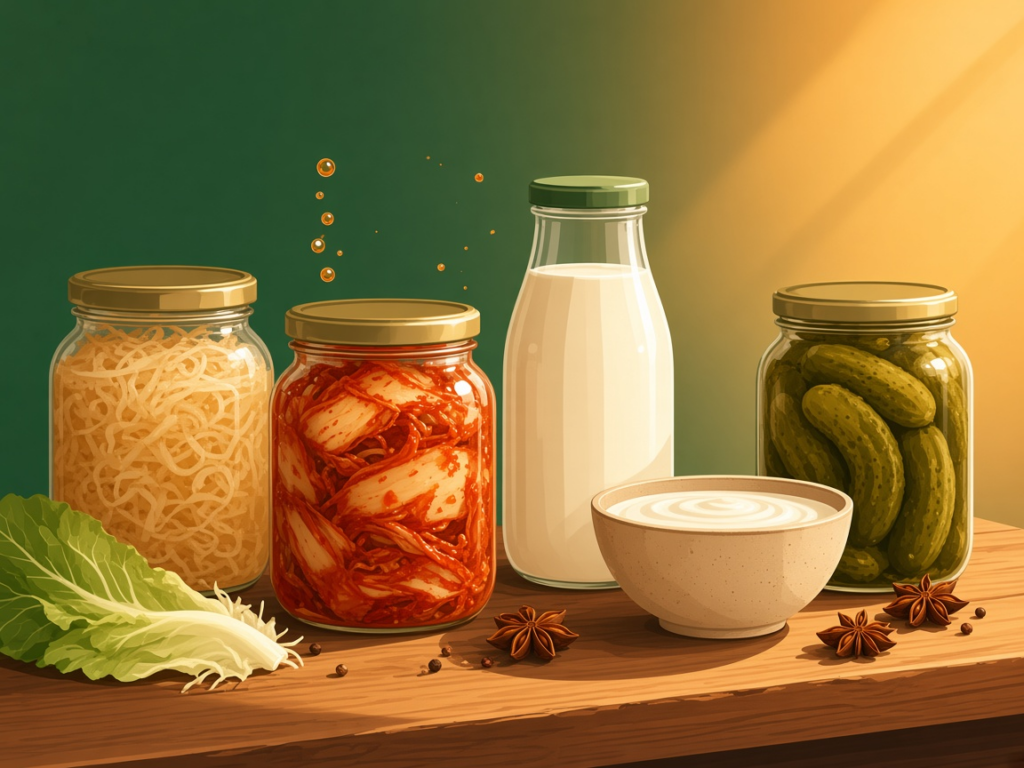
It was a small study, so this isn’t a miracle cure. But it’s a promising, low-risk, and genuinely tasty habit. A few easy ways in:
- Kefir or plain yogurt with oats and berries for breakfast
- A forkful of sauerkraut or kimchi on eggs, sandwiches, or rice bowls
- Look for “live cultures” and buy refrigerated sauerkraut – shelf-stable jars are usually pasteurized, which kills the microbes
- Go slow – start with a spoonful a day so your gut can adjust (gas is normal at first)
The Money Angle: Cheap Gut Foods Beat Pricey Pills
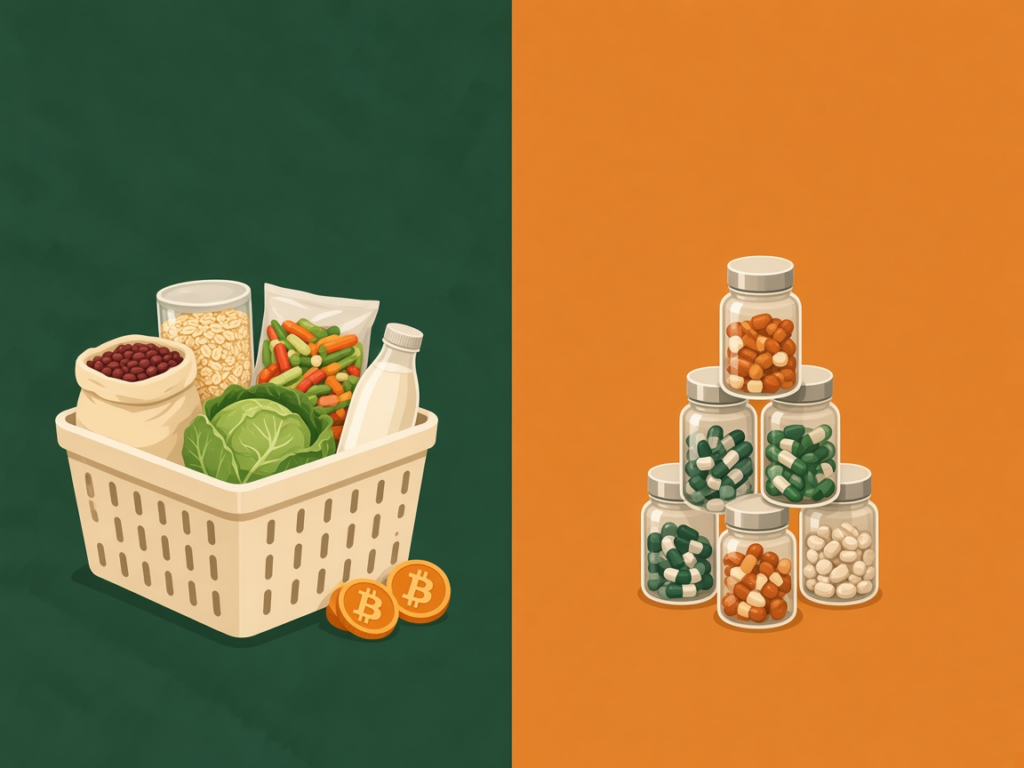
The supplement aisle wants you to believe gut health comes in a capsule. But the NIH notes that many probiotics are sold as dietary supplements, which don’t need FDA approval before hitting shelves, and that results vary by strain – so for most healthy people it’s often unclear which product, if any, actually helps.
A month of probiotics often costs $20 to $50. Here’s what similar money buys at a typical US grocery store (prices vary by store and region):
- Dry beans or lentils: about $1.50 to $2 a pound, roughly 10 servings
- Rolled oats: around $5 for a big canister, about 30 breakfasts
- Green cabbage: about $3 a head – enough to make a big jar of homemade sauerkraut with just salt
- Kefir: around $4 to $5 a quart, or make your own with reusable kefir grains
- Frozen vegetables and berries: $2 to $3 a bag, often just as nutritious as fresh, and they don’t go bad
For the price of one bottle of pills, you can feed your gut – and yourself – for weeks. That’s the kind of return we like around here. If your doctor has recommended a specific probiotic for you, keep taking it; this is about everyday eating, not replacing medical advice.
Your 7-Day Gut Wellth Challenge
Ready to put this into practice? Try one small step per day and keep the earlier ones going:
Day 1: Grab a sheet of paper and start a plant tally. Every different plant you eat this week gets a tick.
Day 2: Swap your usual breakfast for oats topped with frozen berries and a spoon of seeds.
Day 3: Add one fermented food – a little kefir, yogurt, or sauerkraut.
Day 4: Cook one pot of beans or lentils and use it in two meals.
Day 5: Buy a bag of mixed frozen vegetables and throw a handful into whatever you’re making.
Day 6: Eat one meal slowly, phone away. A calm brain helps a calm gut.
Day 7: Count your plants. Whether you hit 15 or 30, notice how your energy, digestion, and mood feel compared to last week.
Small Bites, Big Returns
You don’t need a fridge full of superfoods or a cabinet full of supplements. You need a little more variety, a little more fiber, and a spoonful of something fermented – added slowly, kept consistent.
It’s not about perfection – it’s about progress. Every bean, every oat, every new plant on your tally is a small deposit in the garden that helps keep your energy, mood, and wallet in better shape.
So tonight, before you reach for the snack drawer, ask yourself: what would my gut like for dinner?
Note: This article is for general information only and isn’t medical advice. If you have ongoing digestive symptoms or a health condition, talk to your doctor before making big changes.